Business Details
27 Years
experience
Trusted PAT Testing Services in Oxfordshire & Berkshire
P.A Testers has been delivering professional portable appliance testing services for over 25 years. Our team of City & Guilds qualified engineers, supported by DBS clearance, operates nationwide to ensure electrical safety compliance across diverse sectors. We adhere strictly to the IET Code of Practice, providing detailed Microsoft Excel reports and certificates accepted by the Health and Safety Executive and ISO 9000 assessors. Our client portfolio spans major UK corporations, government bodies, educational institutions, healthcare providers, and small businesses. We partner with Facilities Management companies to deliver fully managed testing solutions while maintaining annual calibration of our Seaward Primetest 350 PAT meters to UKAS standards.Our engineers undergo advanced training to perform earth continuity, insulation resistance, and polarity tests, with findings documented through clear 'Passed' and 'DO NOT USE after' labels. We specialise in identifying hazards like frayed cables and faulty plugs during visual inspections, ensuring compliance with Electricity at Work Regulations 1989. Our services help businesses avoid insurance claim invalidation and potential legal prosecution through systematic testing programs. We provide free site surveys and quotations while maintaining transparent communication through email and telephone contact points.

Services
PAT Testing
Electrical Safety Inspections
Compliance Certification
Risk Assessment
Equipment Labelling
Details
- Year established: 1999
Highlights and features
- We have over 25 years of specialist experience in portable appliance testing
- All engineers hold City & Guilds qualifications and DBS clearance
- We use calibrated Seaward Primetest 350 PAT testing equipment
- Our certificates meet Health and Safety Executive requirements
- We serve diverse sectors including healthcare, education, and hospitality
Associations and certifications
- ISO 9000
Services
PAT Testing
Our portable appliance testing service involves systematic inspection and electrical testing of equipment using calibrated Seaward Primetest 350 meters. Engineers perform earth continuity, insulation resistance, and polarity tests while checking for visual defects. We provide detailed Excel reports and issue compliance certificates accepted by insurers and regulatory bodies.
Compliance Certification
We deliver official documentation confirming electrical equipment safety following IET Code of Practice standards. Our certificates include 'Passed' and 'DO NOT USE after' labels, meeting Health and Safety Executive requirements for legal compliance and insurance validity.
Risk Assessment
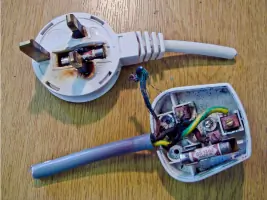
Our engineers identify electrical hazards through visual inspections and technical testing. We assess risks from damaged cables, faulty plugs, and improper fuse ratings while providing actionable recommendations to mitigate fire and electrocution risks in workplace environments.
Equipment Labelling
We apply clear compliance labels indicating test results and future deadlines. Our system includes 'Tested For Electrical Safety' and 'DO NOT USE after' markings to maintain continuous safety awareness across office, industrial, and public environments.
Electrical Safety Inspections
Our comprehensive inspections combine visual checks with technical testing to verify electrical safety. We examine Class I and II appliances, extension leads, and fixed equipment while maintaining detailed records for regulatory compliance and insurance purposes.
Questions
What is portable appliance testing?
Portable appliance testing (PAT) involves systematic inspection and electrical testing of equipment with plugs to ensure safety compliance. We perform visual checks and technical tests using calibrated equipment to identify potential hazards.
Why is PAT testing necessary?
PAT testing ensures compliance with Electricity at Work Regulations 1989. It prevents electrical fires and injuries while maintaining insurance validity. Regular testing demonstrates due diligence in workplace safety obligations.
How often should appliances be tested?
Testing frequency depends on equipment type and environment. Office equipment typically requires less frequent testing than industrial appliances. Our engineers recommend appropriate intervals based on risk assessment.
What documentation do we receive?
Clients receive detailed Excel reports showing test results and compliance certificates. We also apply physical labels to equipment indicating test dates and future deadlines for continuous safety management.
Are your engineers qualified?
All our engineers hold City & Guilds qualifications and undergo DBS checks. They receive ongoing training in advanced PAT testing techniques and maintain knowledge of current IET standards and regulations.